Island Hopping Attacks: Prevention Checklist for Network Defence
Attackers often bypass perimeter defences by moving laterally through low-security internal systems, making internal network segmentation the primary defence against island hopping.
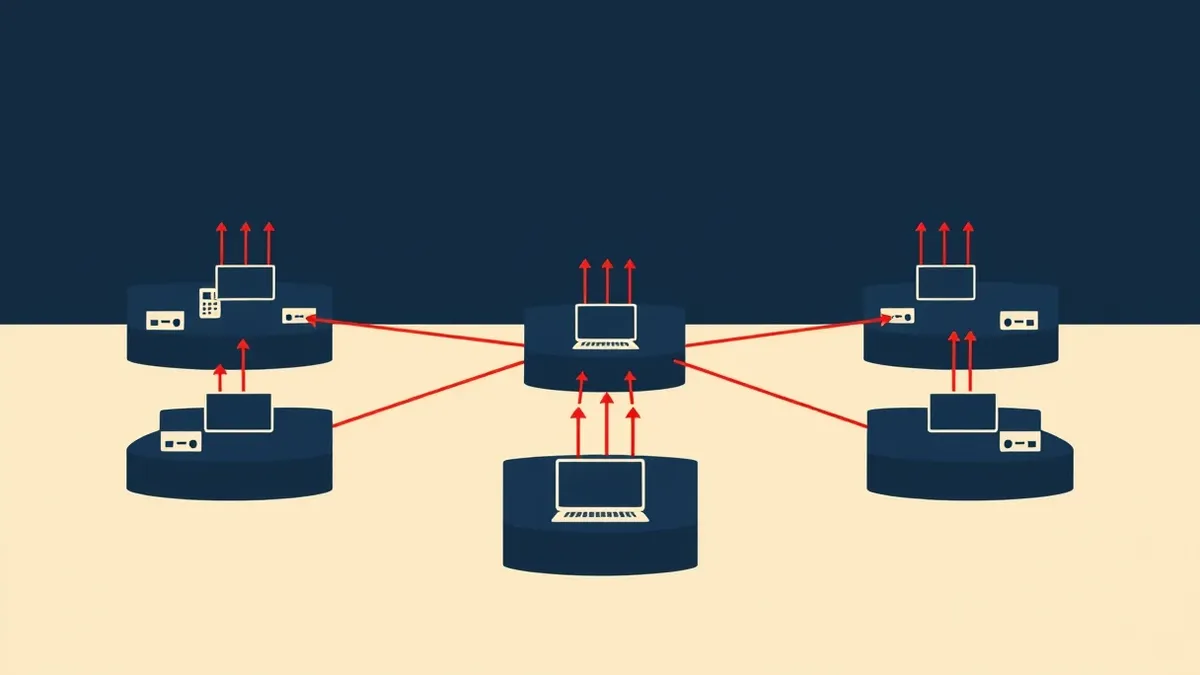
Prevent island hopping by enforcing strict least-privilege access, segmenting your network into isolated zones, and monitoring for unusual lateral movement. This checklist helps you secure internal pathways that attackers exploit to reach high-value targets after an initial breach.
Who Uses This Checklist and How
This checklist serves security practitioners who manage internal network defences. You use it to verify that your environment resists lateral movement after an initial breach. Island hopping relies on the attacker finding a weak node, then moving to a stronger one. You must ensure no single compromise grants broad access. Review these items quarterly or after major infrastructure changes. Do not treat this as a one-time audit. Continuous verification is required because network topology and user roles change over time.
Network Segmentation Controls
Segmentation divides your network into smaller, isolated zones. This prevents an attacker from moving freely between departments or systems. If one segment is compromised, the breach remains contained. You must verify that your segmentation is effective, not just theoretical. Many organisations create VLANs but leave firewall rules too permissive. This creates false security. You need to test that traffic cannot flow from a guest wireless network to your finance servers.
- Verify VLAN isolation between user groups: Prevents broadcast-based attacks and limits lateral movement paths.
- Restrict inter-segment firewall rules: Ensures only authorised traffic flows between network zones.
- Audit default gateway configurations: Stops attackers from routing traffic through unexpected paths.
- Isolate industrial control systems: Protects critical infrastructure from IT network compromises.
Identity and Access Management
Attackers often use stolen credentials to move laterally. If a low-privilege user account can access a high-value server, the attacker wins. You must enforce least-privilege access. This means users and services only have the permissions they strictly need. Excessive permissions are a primary enabler of island hopping. You should also review service accounts. These often have high privileges and are rarely monitored. They are prime targets for attackers seeking to escalate their position.
- Enforce least-privilege principles: Limits the damage if a user account is compromised.
- Review service account permissions: Prevents attackers from using automated accounts for lateral movement.
- Implement multi-factor authentication for admin access: Adds a layer of defence against stolen passwords.
- Audit privileged access usage: Detects unusual activity from high-privilege accounts early.
Endpoint and System Hardening
Every device on your network is a potential entry point. Attackers look for unpatched systems or misconfigured services. You must ensure all endpoints are hardened. This includes disabling unnecessary services and closing unused ports. A single vulnerable machine can serve as a bridge to more secure systems. You should also monitor for unusual process execution. Attackers often use legitimate tools to move laterally. Detecting this requires baseline knowledge of normal system behaviour.
- Patch operating systems regularly: Closes known vulnerabilities that attackers exploit for initial access.
- Disable unnecessary services: Reduces the attack surface available to potential intruders.
- Monitor for unusual process execution: Detects the use of legitimate tools for malicious purposes.
- Enforce disk encryption on endpoints: Protects data if a physical device is stolen or lost.
Monitoring and Detection Capabilities
You cannot stop what you cannot see. Island hopping often occurs slowly, with small steps that evade simple alerts. You need to monitor east-west traffic. This is traffic between devices within your network, not just incoming or outgoing traffic. Look for unusual connections between servers that rarely communicate. You should also correlate logs from different sources. A single log entry might seem benign, but combined with others, it reveals a pattern. This approach is central to the intelligence cycle, where raw data becomes actionable insight.
- Monitor east-west network traffic: Detects lateral movement that perimeter tools miss.
- Correlate logs from multiple sources: Provides a broader view of potential attack patterns.
- Set alerts for unusual login times: Flags account compromise or abuse.
- Track file access patterns: Identifies data exfiltration or reconnaissance activities.
See also: How to Prevent Data Extortion: Prioritised Defence Measures · DCSync Attack Prevention Checklist for Active Directory Security
Incident Response Preparation
When an attack occurs, speed matters. You must have a plan for isolating compromised systems. This includes knowing how to disconnect a machine without disrupting critical services. You should also have procedures for preserving evidence. This helps you understand the scope of the breach. Understanding how attackers move is key to preventing future incidents. This knowledge feeds into IOC enrichment, where you improve your detection rules based on new threats. You must also practice your response. Drills reveal gaps in your plan before a real attack does.
- Define isolation procedures for compromised hosts: Limits the spread of malware or attacker access.
- Maintain updated contact lists for response teams: Ensures rapid coordination during an incident.
- Document evidence preservation steps: Supports forensic analysis and legal requirements.
- Conduct regular incident response drills: Identifies weaknesses in your response plan.
Common Pitfalls to Avoid
Many organisations focus solely on perimeter defence. This leaves internal networks exposed. You must assume the perimeter will be breached. Your defences must work inside the network as well. Another mistake is relying on static rules. Attackers adapt, so your defences must adapt too. You should also avoid alert fatigue. Too many false positives cause you to miss real threats. Tune your monitoring tools to reduce noise. This ensures you focus on genuine risks. Understanding lateral movement techniques helps you anticipate attacker behaviour.
Key takeaways
- Internal network segmentation limits the blast radius of a compromised endpoint.
- Least-privilege access prevents attackers from escalating rights to critical systems.
- Continuous monitoring of east-west traffic detects lateral movement early.
Island hopping attacks exploit weak internal connections to reach high-value targets. Implement strict segmentation and least-privilege access to limit lateral movement.
Frequently asked questions
How do I detect island hopping in real-time?
Monitor east-west traffic for unusual connections between systems that rarely communicate. Look for spikes in data transfer or login attempts from unexpected sources.
What is the difference between island hopping and lateral movement?
Island hopping is a specific tactic where attackers move through low-security systems to reach high-security ones. Lateral movement is the broader term for any movement within a network after initial access.
Can network segmentation prevent all island hopping attacks?
No, but it significantly limits the paths available to attackers. Proper segmentation contains breaches and reduces the risk of reaching critical assets.
How often should I review my access controls?
Review access controls quarterly or whenever there are significant changes in staff roles or network infrastructure. Regular audits ensure permissions remain aligned with current needs.
How this guide was produced: written by the Malware Brief editorial team with AI assistance, checked against the public references listed below, and reviewed when the facts change. See our editorial policy or report an error.